
What a generated shot actually costs
The expense is never the frame. It is the thirty attempts at a shot nobody could describe precisely.
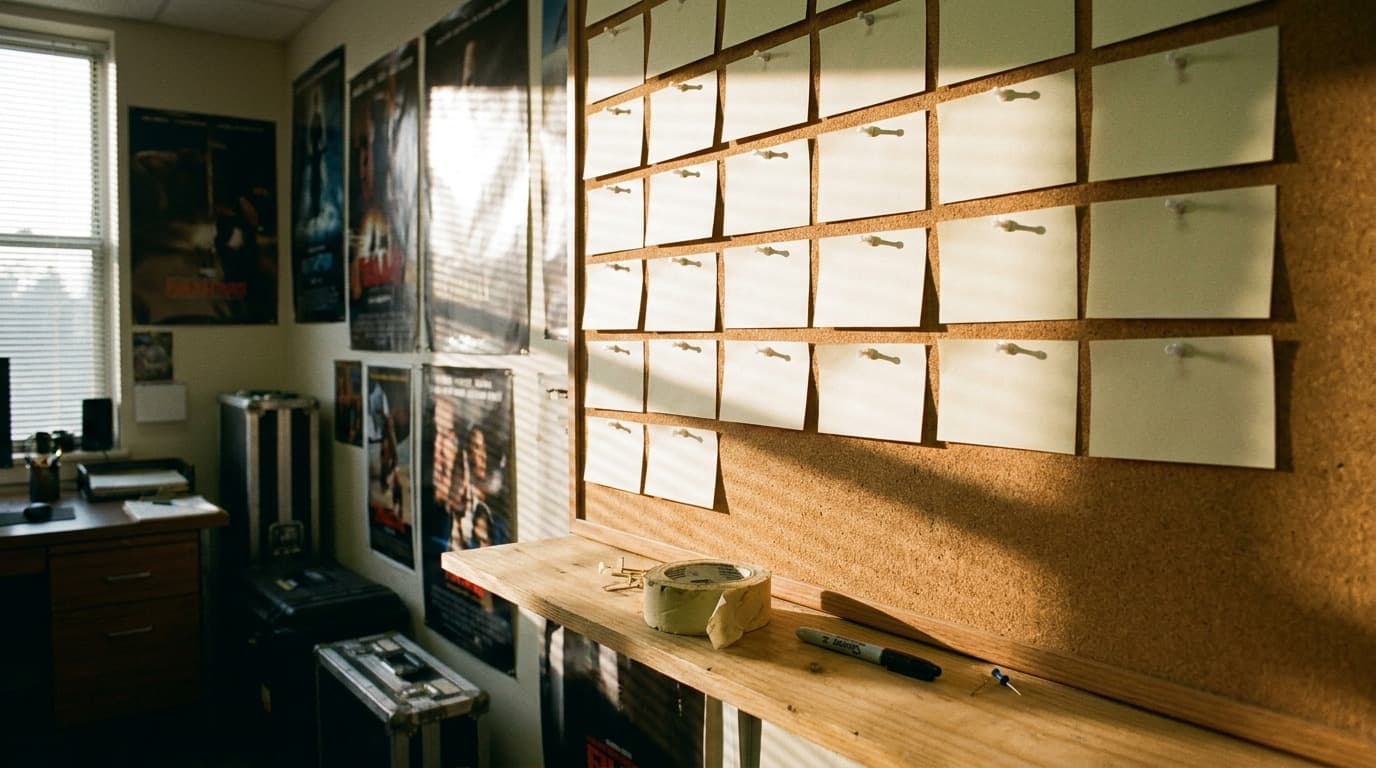
Generated shots are cheap enough that people stop counting, and then a sequence that should have cost forty takes has cost four hundred. Nothing went wrong in any single moment. The cost came from re-rolling the same shot with small changes, hoping the next one lands.
Here is how we plan one now, and where the money actually goes.
The three stages, and which one is expensive
A shot passes through roughly three states before it is finished. The instinct is that the last one costs the most, because it is the one that looks like a film. In practice the first is where the money is saved or lost.
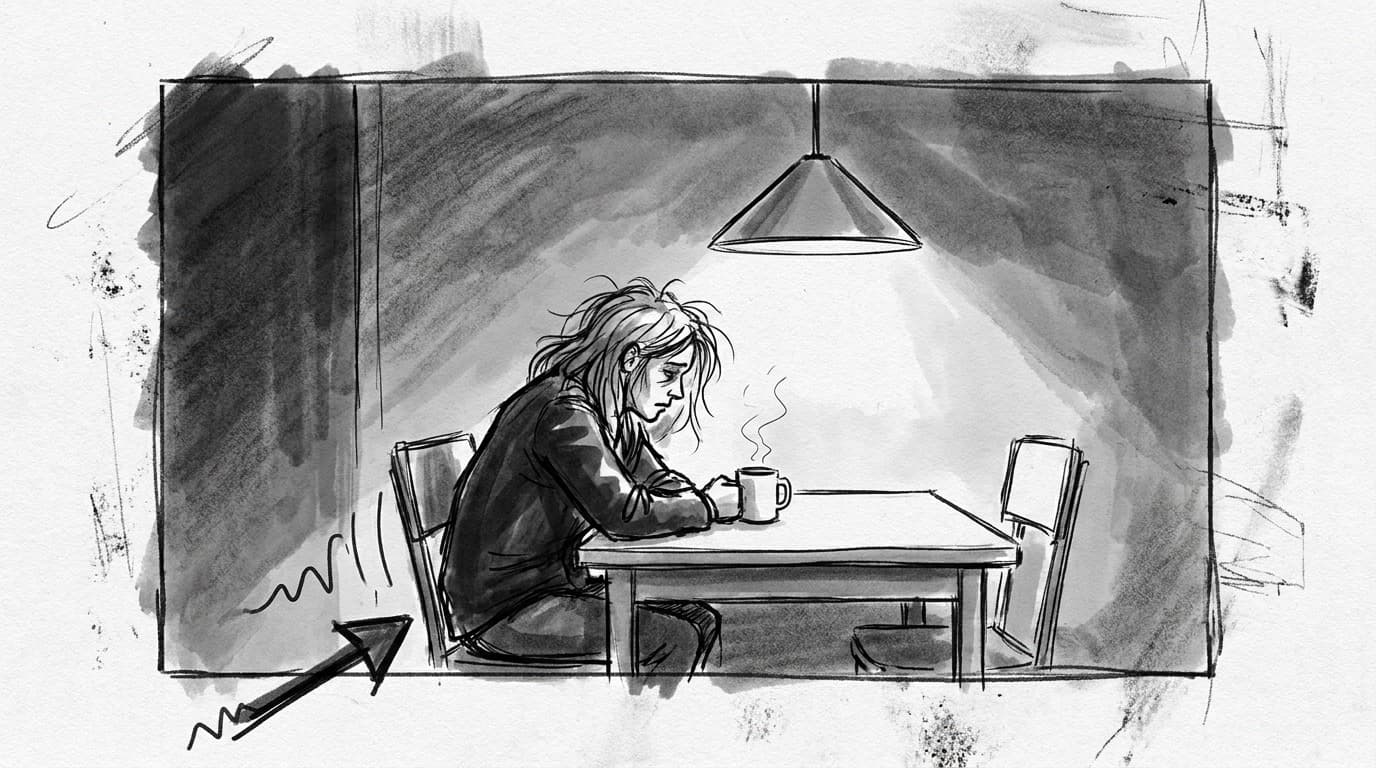
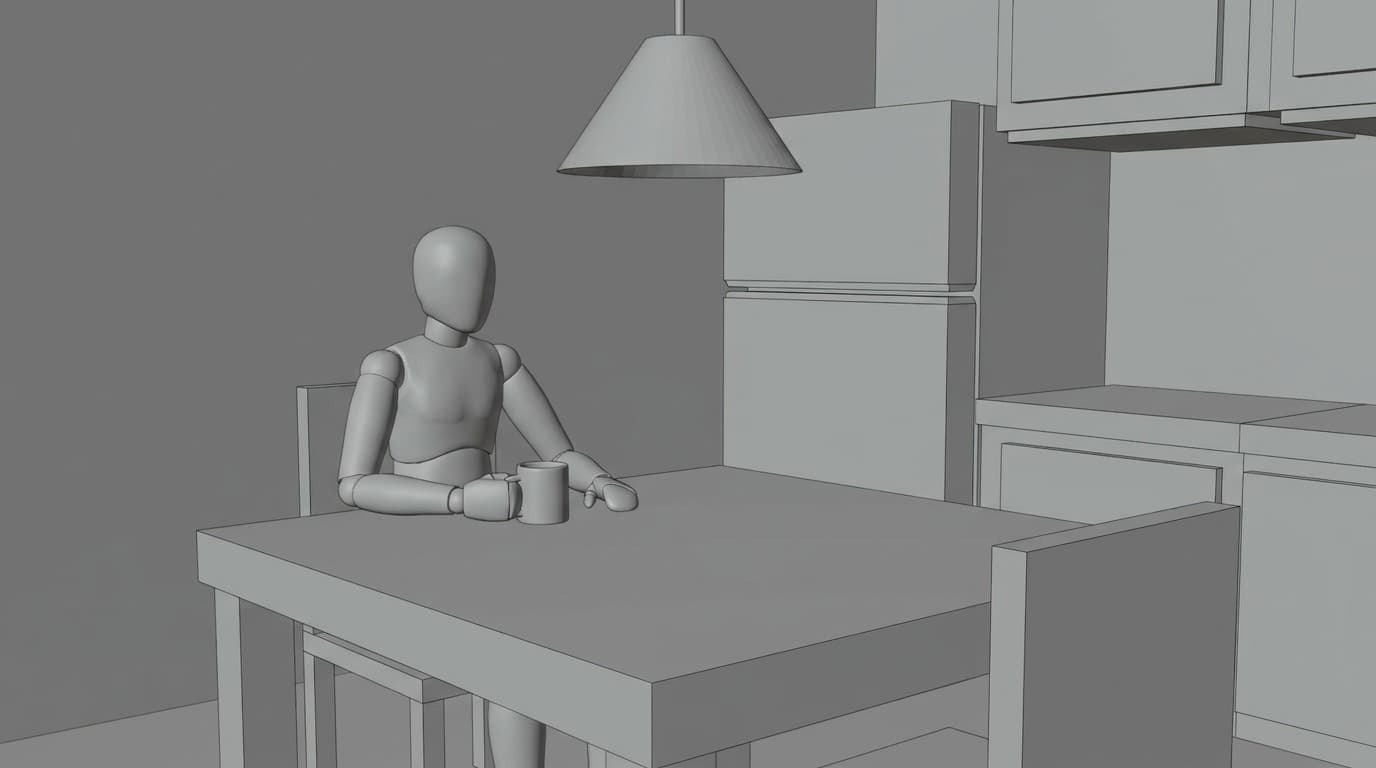
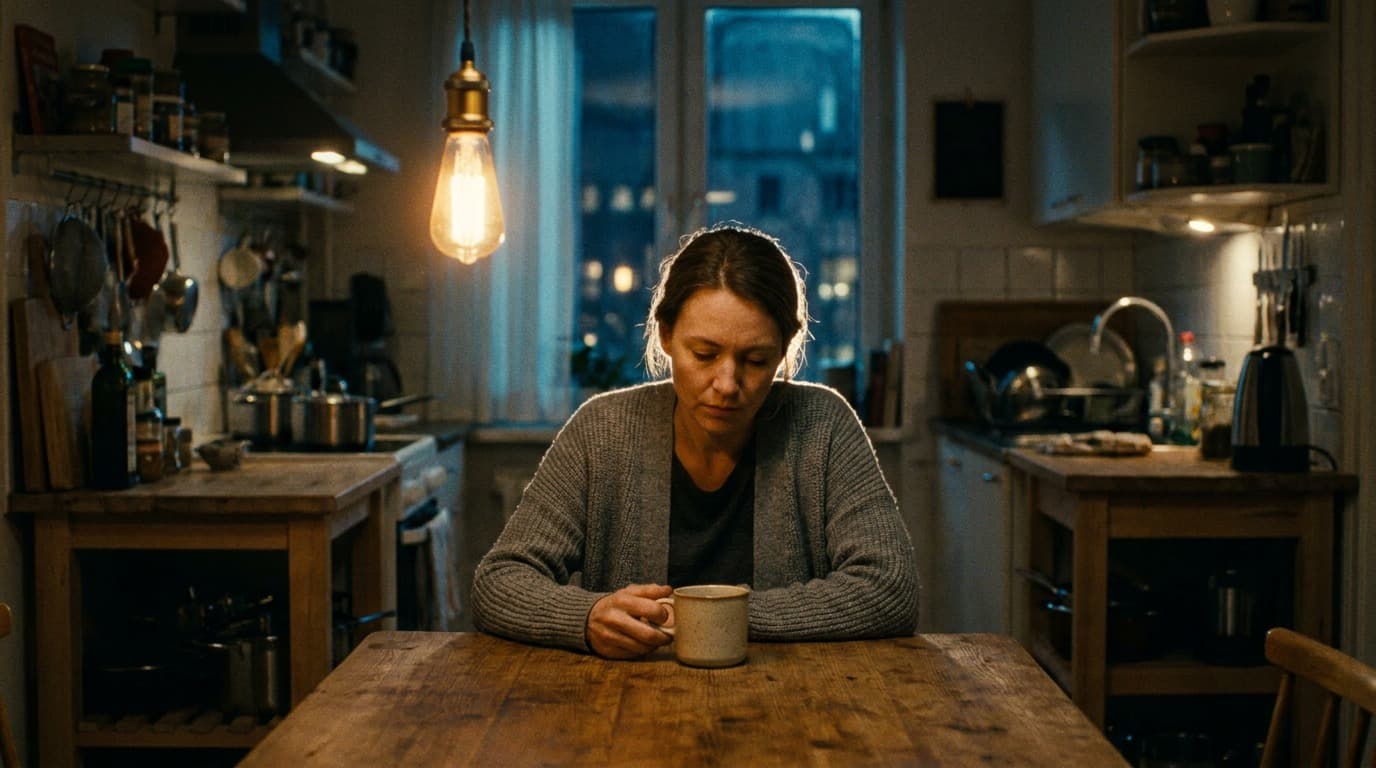
A single frame is trivially cheap. Thirty attempts at a single frame is not, and thirty attempts is what happens when the brief is vague enough that every result is plausible and none is right. The expensive shots in every project we look at are the ones nobody could describe precisely at the start.
Budget in attempts, not shots
The useful planning number is attempts per finished shot. Straightforward coverage lands in two or three. A shot with a specific performance beat runs four to six, because performance has variance. Anything with a creature, a crowd or complex physics runs into double figures.
Multiply by shot count and you have an estimate that is roughly right, which is far more useful than a precise estimate of the wrong thing. Knowing in advance that the creature shot is a twelve-attempt shot is what stops it becoming a surprise in week three.
Group by setup, not by story order
Live productions shoot out of sequence because the setup is the expensive part. The same logic applies here for a different reason: shots sharing a location, a lighting state and a camera position share their inputs, so generating them together keeps them consistent and avoids the slow drift of returning three days later with a slightly different description.
Change one variable per attempt
The most expensive habit in generated work is adjusting four things at once and then not knowing which one helped. It feels faster and it guarantees the next attempt starts from guesswork again.
One change per generation is slower for two attempts and dramatically faster by the sixth, because by then you know what each dial does in this particular scene. Write down what you changed. Nobody does this and everybody wishes they had.
Four changes at once is not iteration. It is starting over with extra steps.
Decide which shots are load-bearing
Not every shot deserves the same investment. In any sequence a handful carry the story and the rest carry the sequence between them. An establishing wide that plays for two seconds does not need six attempts. The close-up the scene turns on might need twelve, and should get them.
Deciding this in advance is what stops the budget being spent uniformly, which is the same as spending it randomly. Mark the load-bearing shots on the board and let the connective tissue be good enough. A competent shot that serves its function is finished; polishing it further is not free, it is just invisible.
Generate coverage while the setup is live
Editors need options. A sequence built from exactly the shots the boards specified cuts together stiffly, because every cut has only one possible length. While a setup is live and consistent, generating the reverse, a wider version and a tighter version costs a fraction of returning later.
This is the one place where doing more work up front reliably pays. Coverage generated inside a setup is cheap and matches. Coverage generated three days later is neither.
Reserve for pickups
Every cut generates new needs. An edit reveals a sequence is missing a reaction, or that a shot needs two more seconds, and those requests arrive after the schedule says you are finished. Reserve something like fifteen percent for work you cannot foresee, because you will not foresee it.
Keep the setups too. A pickup is cheap if the location inventory, the character reference and the rig settings still exist, and a small reshoot if they do not.