
Stop asking for dramatic lighting
Direction, quality, level, colour. Four short clauses a gaffer could execute, and the model stops guessing.
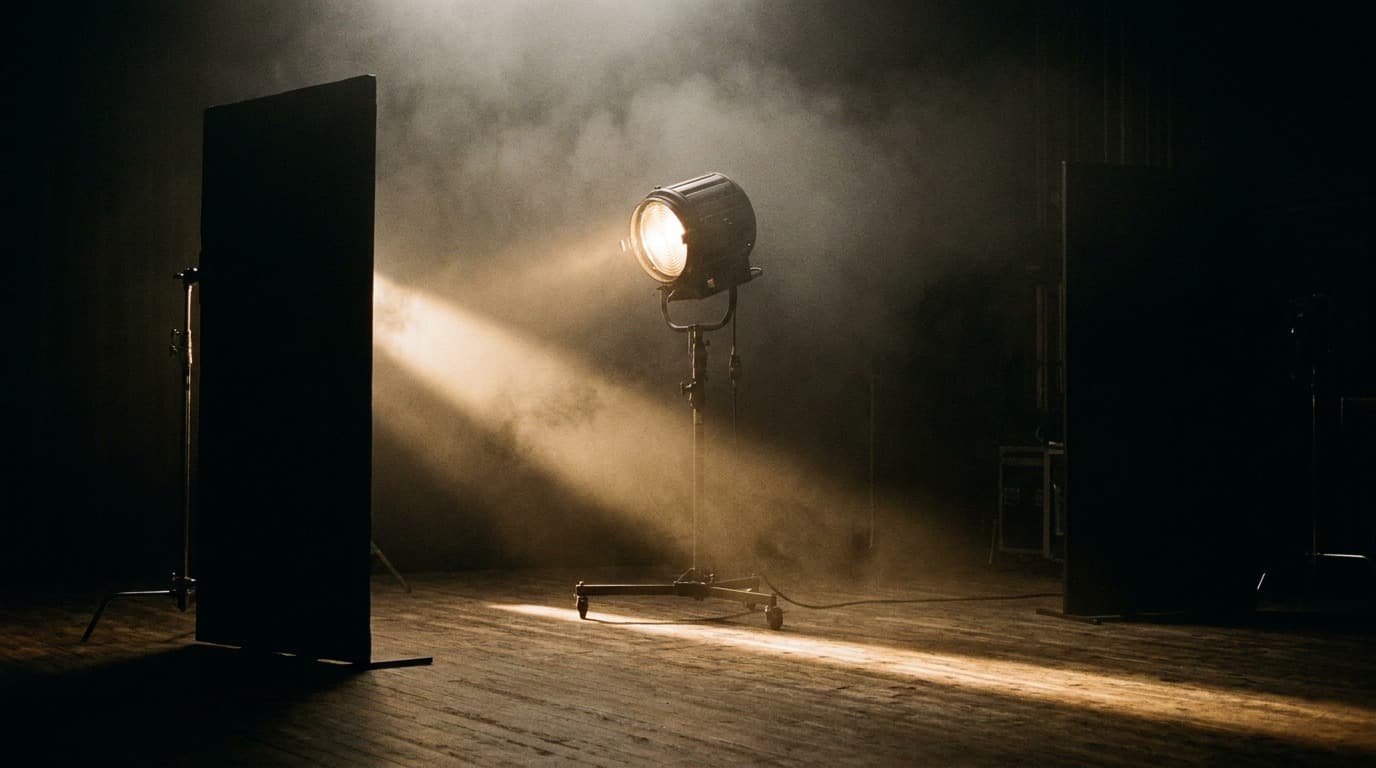
Ask a model for dramatic lighting and you will get something dramatic. Ask again tomorrow and you will get something else. The word carries no instruction, so the model supplies its own, and its own is an average of everything it has been told looks cinematic: soft frontal key, blue rim, teal shadow.
Lighting has a working vocabulary that is a century old and extremely specific. This is a guide to using it. We will build one scene from nothing, one source at a time, and you will be able to see what each addition actually buys.
Start with nothing and look at it
Here is the scene with no lighting design at all, just weak flat ambience. Nothing is technically wrong. It is also completely dead: no shadow shape on the face, no separation from the background, no sense of where in the world this room is.
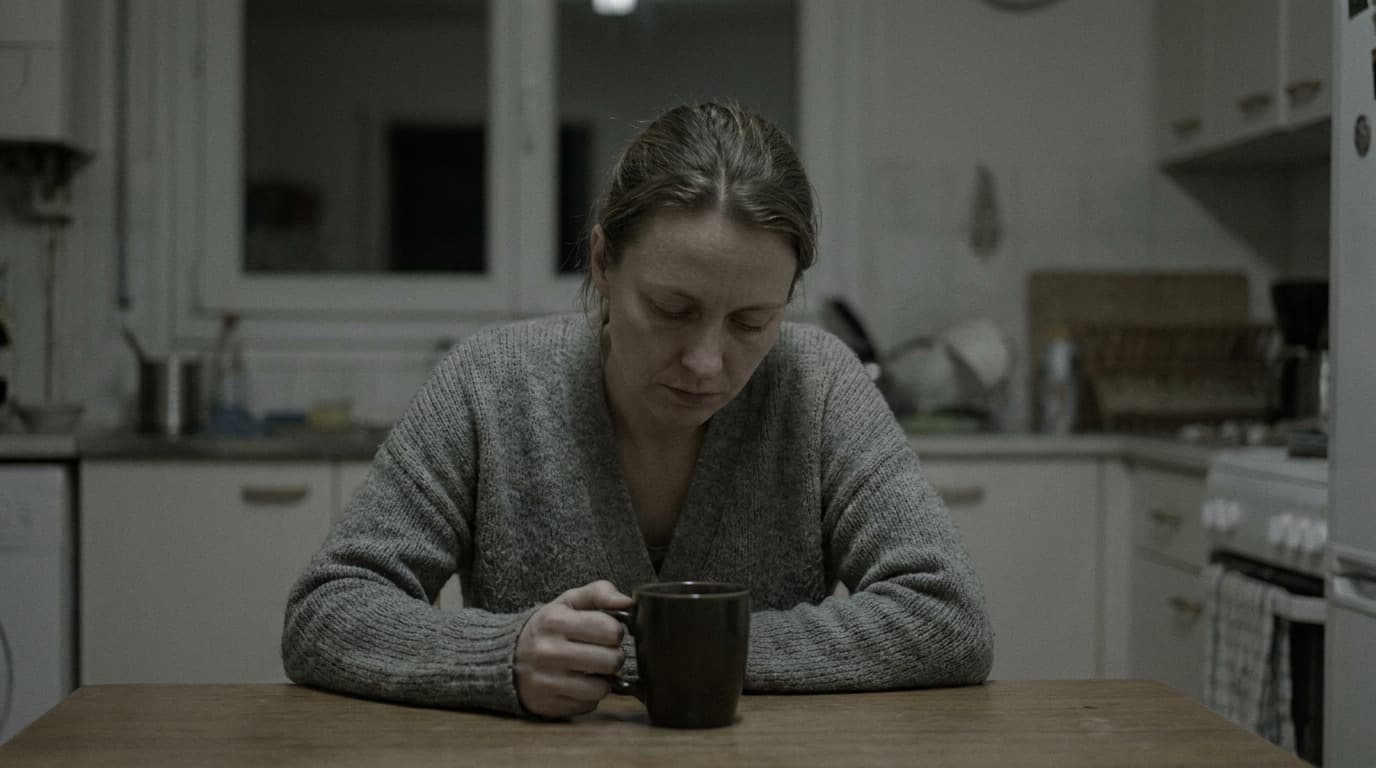
Worth dwelling on, because a surprising amount of generated footage lands close to this and gets fixed in the grade instead of in the light. A grade cannot add a shadow that was never there.
Add one key and commit to a direction
Direction is the first decision because it determines the shape of the face. A hard source from camera left at head height carves a clear edge down the far cheek and lets the shadow side fall away. One clause in the request, and the frame now has structure.
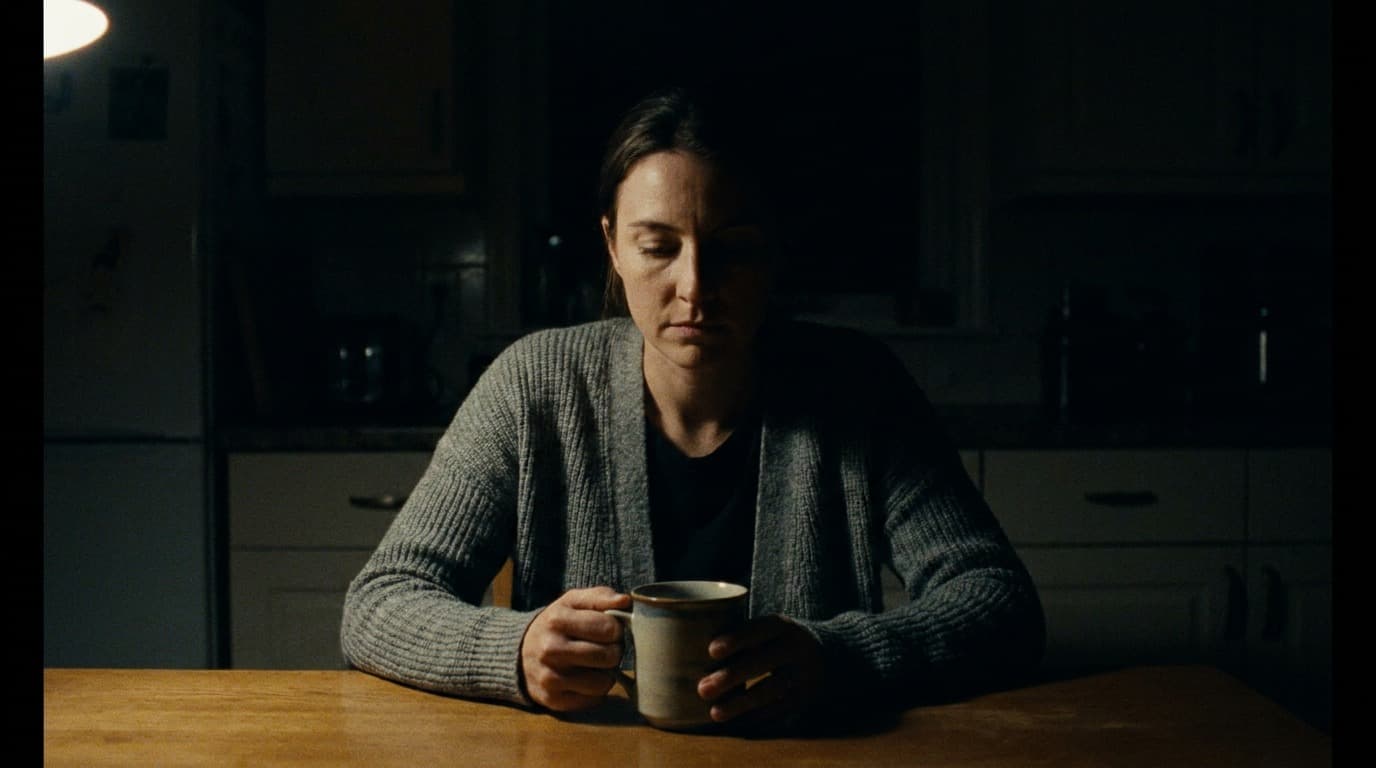
Note what has not been said yet: nothing about mood, nothing about colour, nothing about atmosphere. Position and quality alone did this.
Decide how dark the shadow gets
Contrast is a ratio between the lit side and the shadow side, and it is the dial most requests never touch. Adding a soft low-level fill from the opposite side opens the shadow enough that both eyes read, without flattening what the key just built.
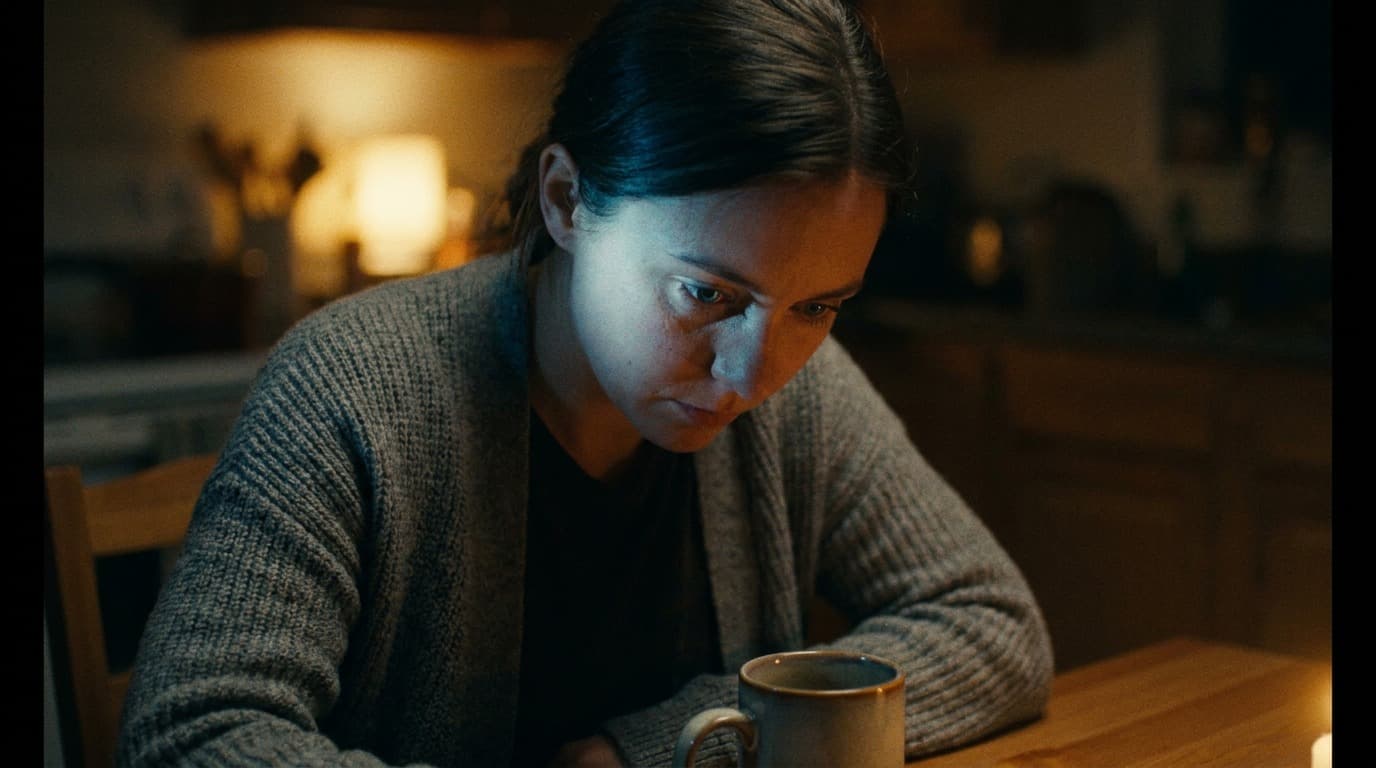
Useful shorthand: two to one is gentle, four to one is normal drama, eight to one is noir, sixteen to one is a silhouette with one lit cheek. Say which you want and the model stops picking the middle every time.
Separate the subject from the room
Backlight is what stops a figure sinking into a dark background. A hard rim from high behind draws an edge along the hair and shoulder, and suddenly there is depth in a frame that had none.
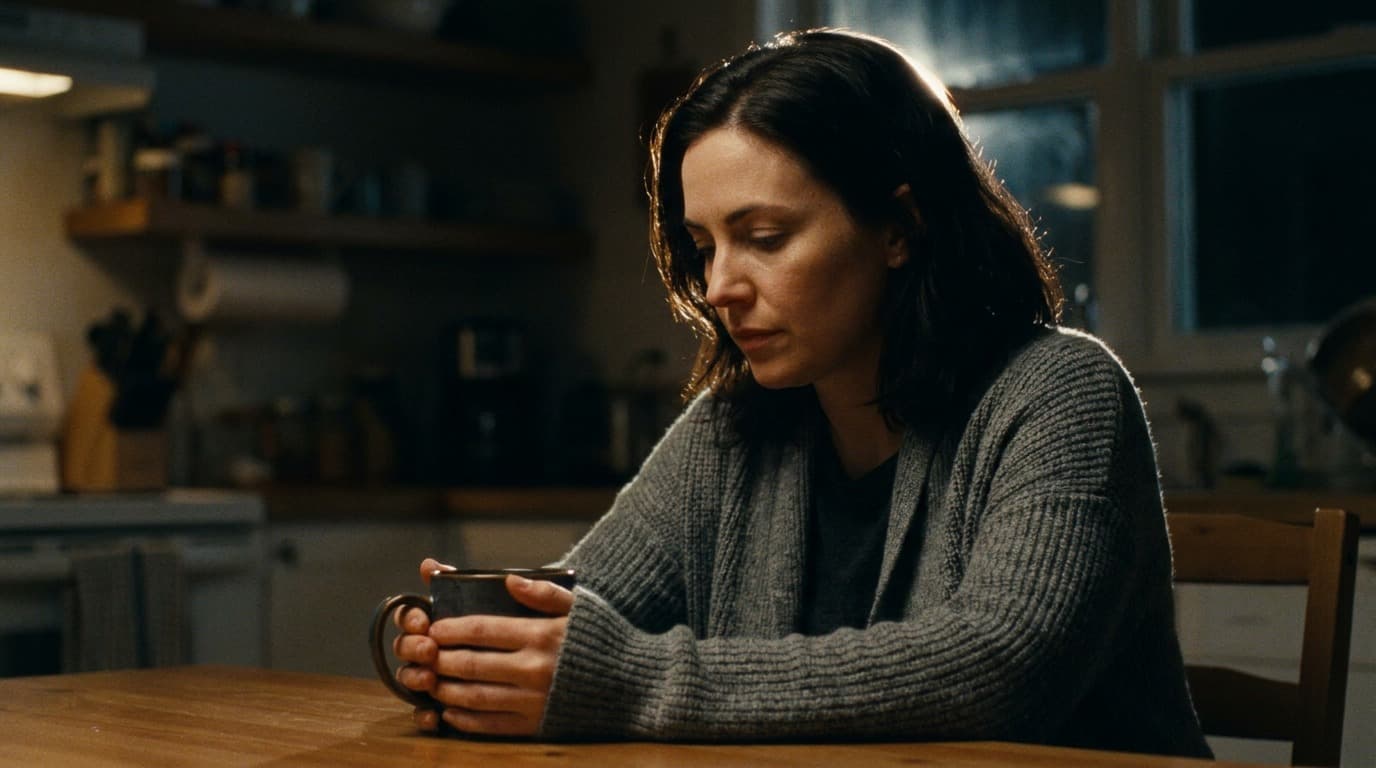
Motivate every source
This is the step that separates a lit frame from a believable one. Put the thing making the light in the shot. A pendant lamp above the table explains the key, a window behind explains the cool spill, and the lighting stops reading as a decision about the image and starts reading as a fact about the room.
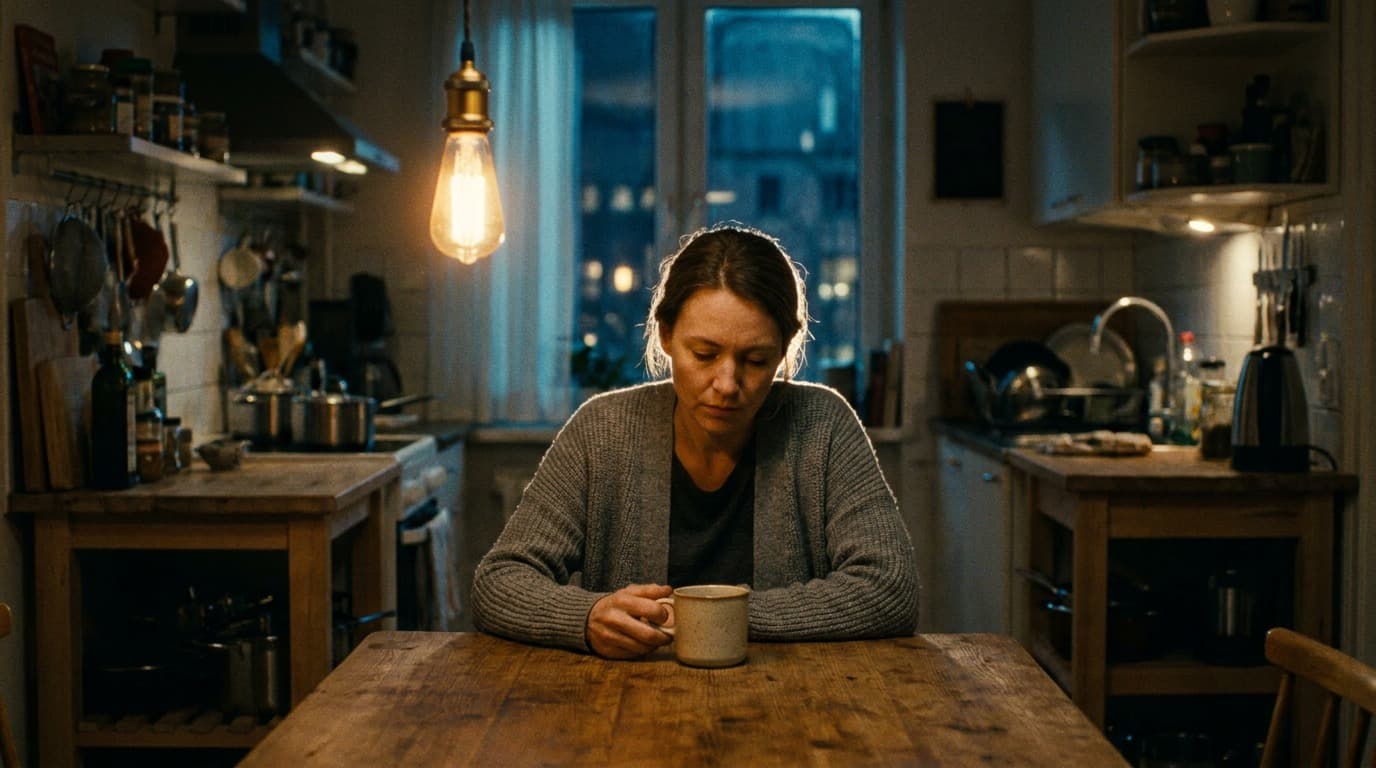
If you can name the object making the light, the shot will hold. If you cannot, the audience feels the gap without knowing why.
Unmotivated light is the most reliable tell in generated footage. A face beautifully lit from an angle where the room contains nothing capable of lighting it. Nobody registers the error consciously; the shot just feels staged.
The same subject, four directions
Once you are specifying direction and quality deliberately, the range available from one setup is enormous. Below is a different subject in a single room, lit four ways, with nothing else changed between the frames.
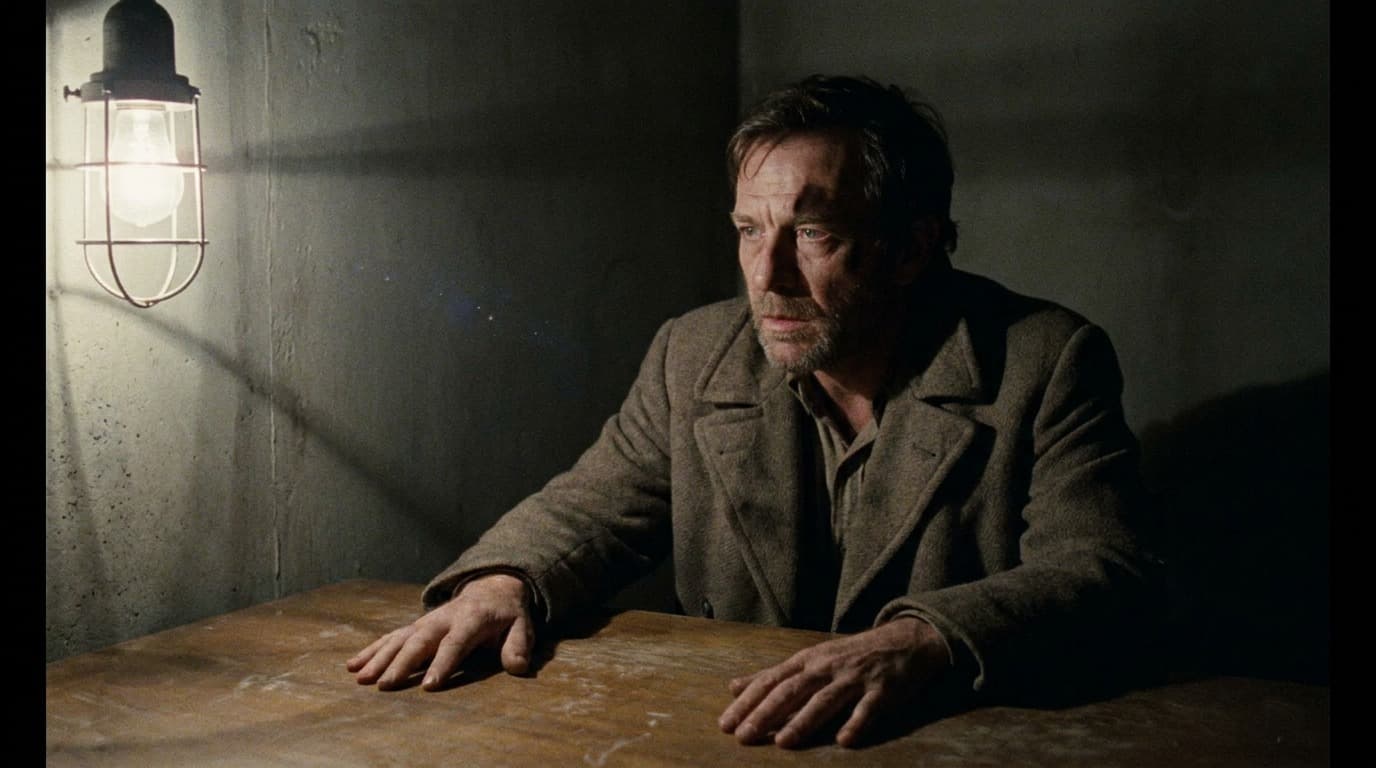
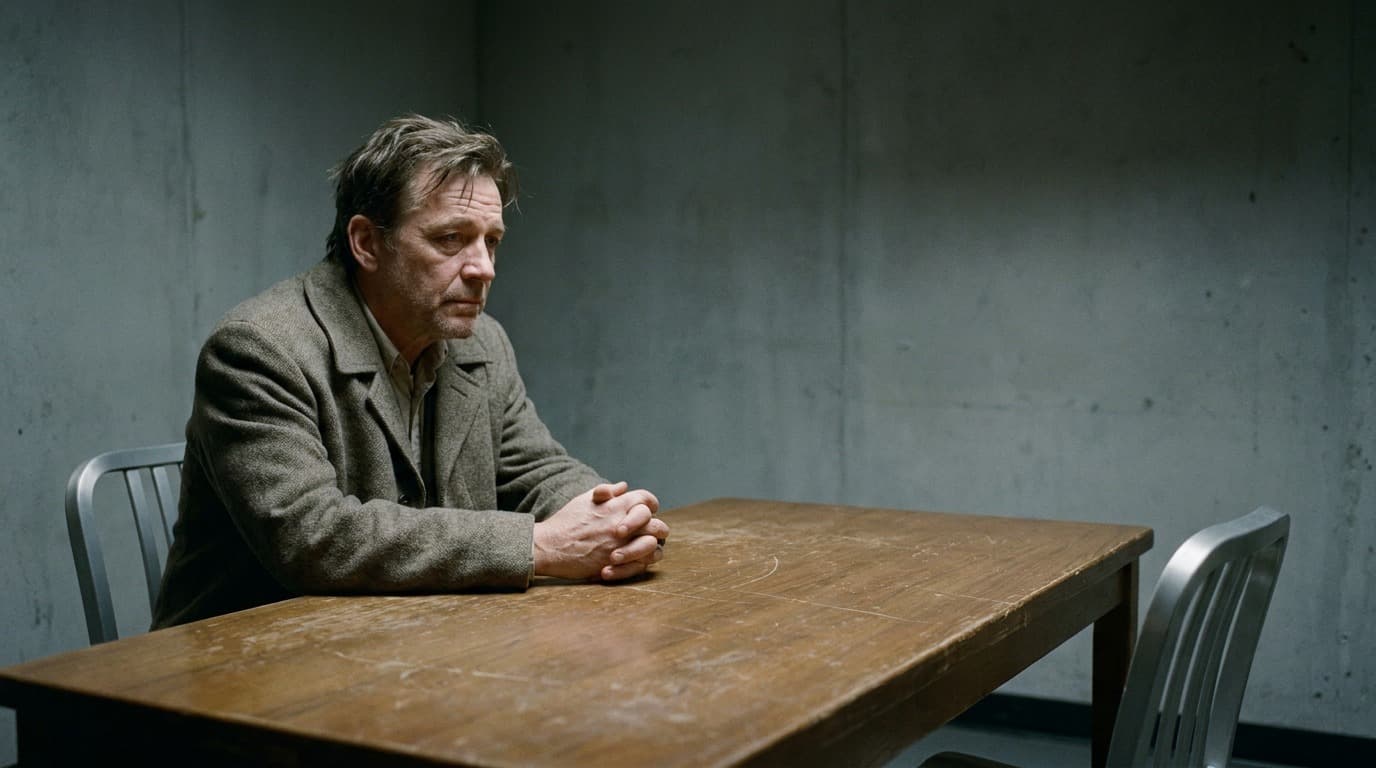
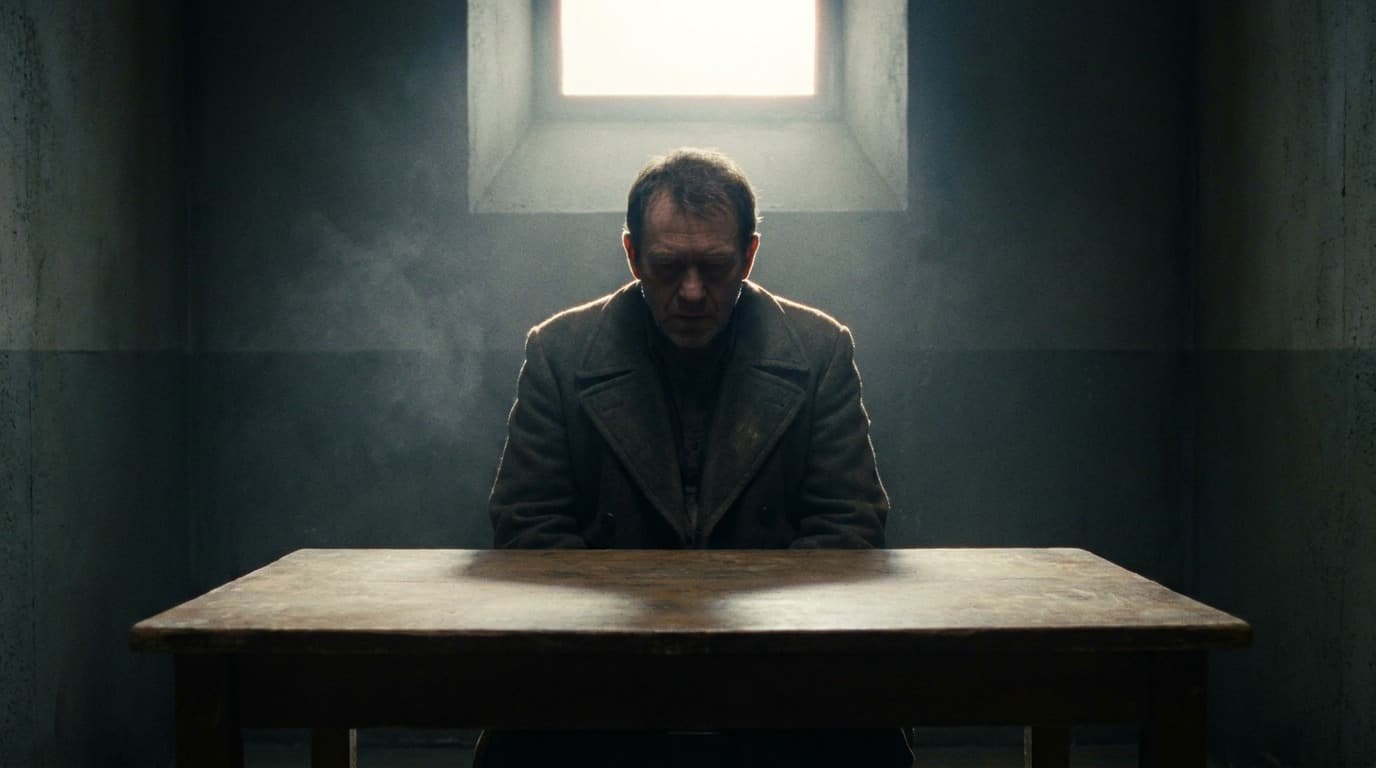
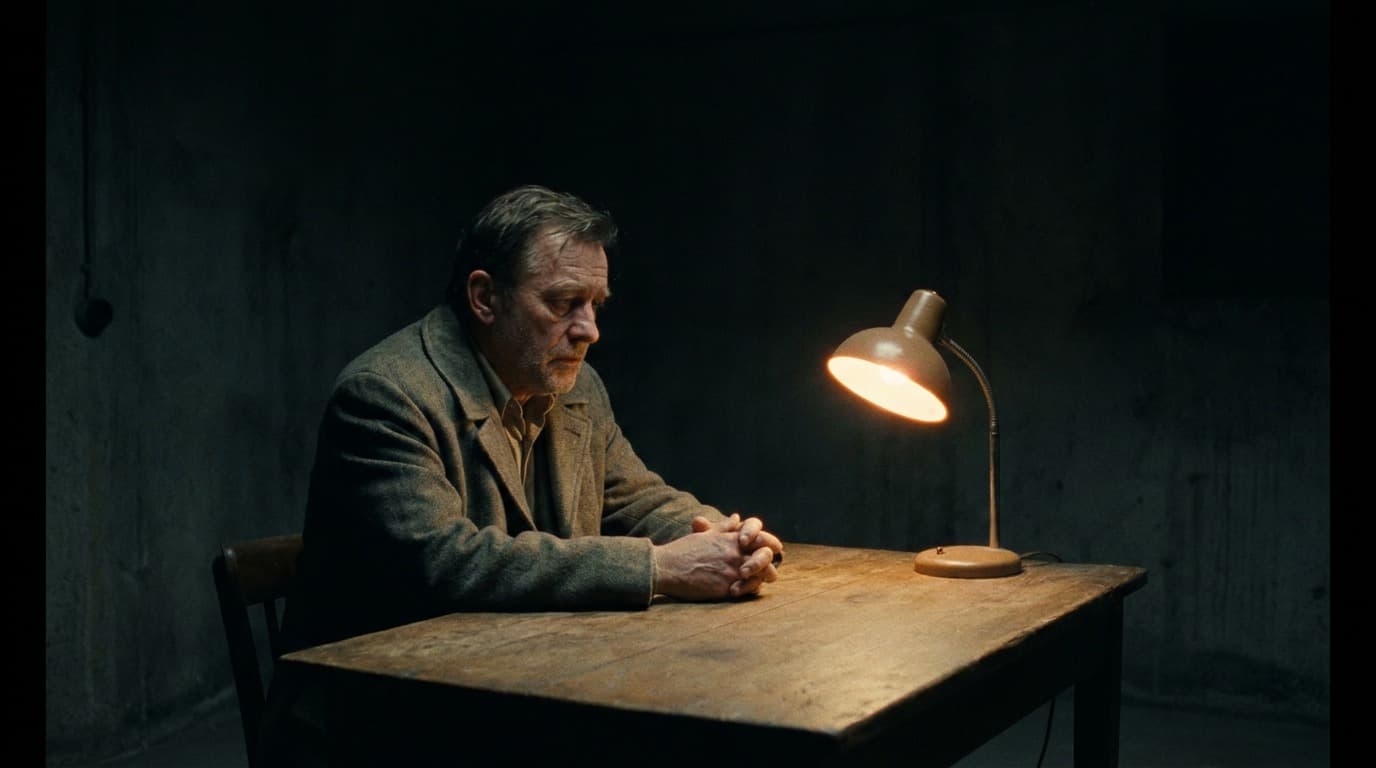
Four different scenes from one set of ingredients. No adjective produced that spread. Four short physical descriptions did.
Colour last, and only if it is doing something
Warm key against cool shadow is a real convention and a useful one. It is also the most overused look in generated imagery, to the point where its presence now reads as a signature rather than a choice. Daylight interiors are broadly neutral. Sodium street light is genuinely orange and kills every other colour near it. A room lit by one fluorescent tube is slightly green and no worse for it.
If every shot in a sequence is teal and orange, the grade is doing work the lighting should have done.
The order to write it in
Name the motivating object and where it sits. Say hard or soft. Say how dark the shadows go. Then colour, if it matters. Four clauses, about twenty words, and there is almost no latitude left to average.
The test is whether a gaffer could execute your description without asking a follow-up question. If they would have to ask, the model is guessing too.